
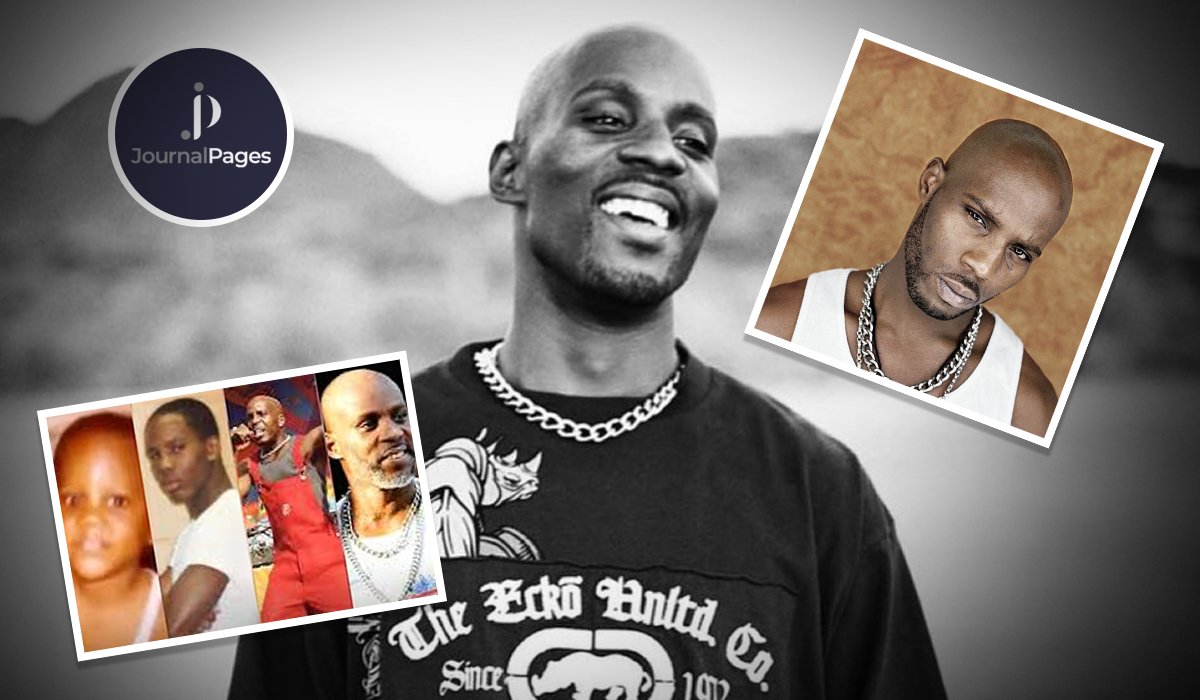
Earl Simmons DMX: The Unfiltered Story of a Hip-Hop Legend
Earl Simmons DMX remains one of the most iconic yet complicated figures in hip-hop history. Known for his raspy voice, raw lyricism, and powerful stage presence, Earl Simmons DMX pushed boundaries in rap, charting a legendary path that combined musical genius with a deeply human struggle. From his humble beginnings in Yonkers to his career-defining albums and unforgettable performances, DMX’s story is both inspiring and cautionary — blending triumph with turmoil in ways few artists have ever lived.
Table of Contents
-
Origins: Who Was Earl Simmons DMX?
-
Climbing the Charts: Breakthrough Music & Albums
-
LSI Spotlight: Iconic Songs That Defined an Era
-
Beyond Music: Acting, Culture & Media Presence
-
Trials, Tribulations & Personal Battles
-
Legacy, Influence & Impact on Hip-Hop Culture
-
Posthumous Recognition & Estate Discussions
-
Conclusion: Lasting Legacy of Earl Simmons DMX
-
FAQs About Earl Simmons DMX
1. Origins: Who Was Earl Simmons DMX?
Born Earl Simmons on December 18, 1970, in Mount Vernon, New York, DMX’s early life was marked by hardship, illness, and instability — elements that would later fuel his raw and authentic musical voice. Growing up in Yonkers, he faced family turmoil, frequent hospital visits due to asthma and allergies, and years in group homes and juvenile detention.
He adopted the moniker DMX from a beat-box machine his peers used as a teenager — transforming it into an identity that stood for intensity, ferocity, and untamed creativity.
2. Climbing the Charts: Breakthrough Music & Albums
2.1 Early Success & Billboard Domination
DMX exploded onto the mainstream rap scene in 1998 with It’s Dark and Hell Is Hot, his debut album that showcased his guttural delivery and emotionally charged content. This record became one of five consecutive albums to debut at No. 1 on the Billboard 200, a milestone no other rapper had achieved at the time.
His high-energy style and unfiltered lyrics connected with fans who saw their own struggles reflected in his verses — forging a bond between artist and audience unlike many of his peers.
2.2 Notable Albums
-
It’s Dark and Hell Is Hot (1998)
-
Flesh of My Flesh, Blood of My Blood (1998)
-
…And Then There Was X (1999)
-
The Great Depression (2001)
-
Grand Champ (2003)
These albums cemented DMX as a chart-topping force, delivering both club anthems and introspective tracks that spanned the emotional spectrum.
3. LSI Spotlight: Iconic Songs That Defined an Era
3.1 “Ruff Ryders’ Anthem”
A cultural staple and rallying cry for the Ruff Ryders collective, this track became one of DMX’s signature songs and remains a hip-hop classic.
3.2 “Party Up (Up in Here)”
A mainstream smash that brought DMX widespread recognition and radio play.
3.3 “X Gon’ Give It to Ya”
Featured in Cradle 2 the Grave and later revived in Deadpool (2016), this hard-hitting anthem extended DMX’s reach to global audiences.
3.4 Other Enduring Works
-
“What These Bitches Want” — showcased DMX’s lyrical versatility and storytelling.
-
“Where the Hood At?” — became a staple in hip-hop culture.
4. Beyond Music: Acting, Culture & Media Presence
DMX wasn’t just a musician — he crossed into acting, starring in films like Romeo Must Die and Cradle 2 the Grave, broadening his impact beyond the recording studio. This crossover appeal helped bring hip-hop culture into the mainstream spotlight in the early 2000s.
5. Trials, Tribulations & Personal Battles
5.1 Chronic Addiction & Health Struggles
DMX openly battled substance addiction throughout his life — a struggle tied back to his teen years. His vulnerabilities, expressed with brutal honesty in interviews and music, drew both empathy and controversy.
5.2 Legal Issues
His career was interspersed with multiple legal confrontations, including arrests and prison terms for a range of offenses.
5.3 Final Days
In April 2021, after suffering a heart attack — reportedly linked to an overdose — he was placed on life support and passed away at age 50. His family remembered him as a “warrior who fought till the very end.”
6. Legacy, Influence & Impact on Hip-Hop Culture
DMX’s influence on hip-hop remains monumental:
-
Pioneering raw lyricism that influenced hundreds of subsequent artists.
-
Five consecutive #1 albums, a record at the time.
-
Cultural influence seen in social media trends, tributes, and ongoing fan engagement years after his passing.
He used his platform to express vulnerability — something few rappers embraced so publicly — making him a uniquely transparent voice in music.
7. Posthumous Recognition & Estate Conversations
Recent fan discussions and community sentiment highlight ongoing interest in how DMX’s estate manages unreleased music and remasters of his work. Some fans critiqued posthumous releases as lacking quality or authenticity, sparking debates about preserving his legacy versus commercial exploitation.
Reddit discussions in 2026 indicate that his estate is active in managing his catalog and that community interest in remasters and archival projects remains strong.
8. Conclusion: The Enduring Voice of Earl Simmons DMX
Earl Simmons DMX’s journey — from a rough upbringing to global stardom — is a testament to resilience, authenticity, and artistic ferocity. His music continues to resonate because it didn’t shy away from pain, struggle, or truth. Today, DMX stands as a cultural pillar — one whose impact will echo through hip-hop history for generations.
9. FAQs About Earl Simmons DMX
Q: What is DMX’s real name?
A: DMX was born Earl Simmons on December 18, 1970.
Q: How many #1 albums did DMX have?
A: DMX had five consecutive albums debut at No. 1 on the Billboard 200.
Q: When did DMX pass away?
A: He passed away on April 9, 2021, at age 50.
For more Visit Journal Pages : https://journalpages.co.uk