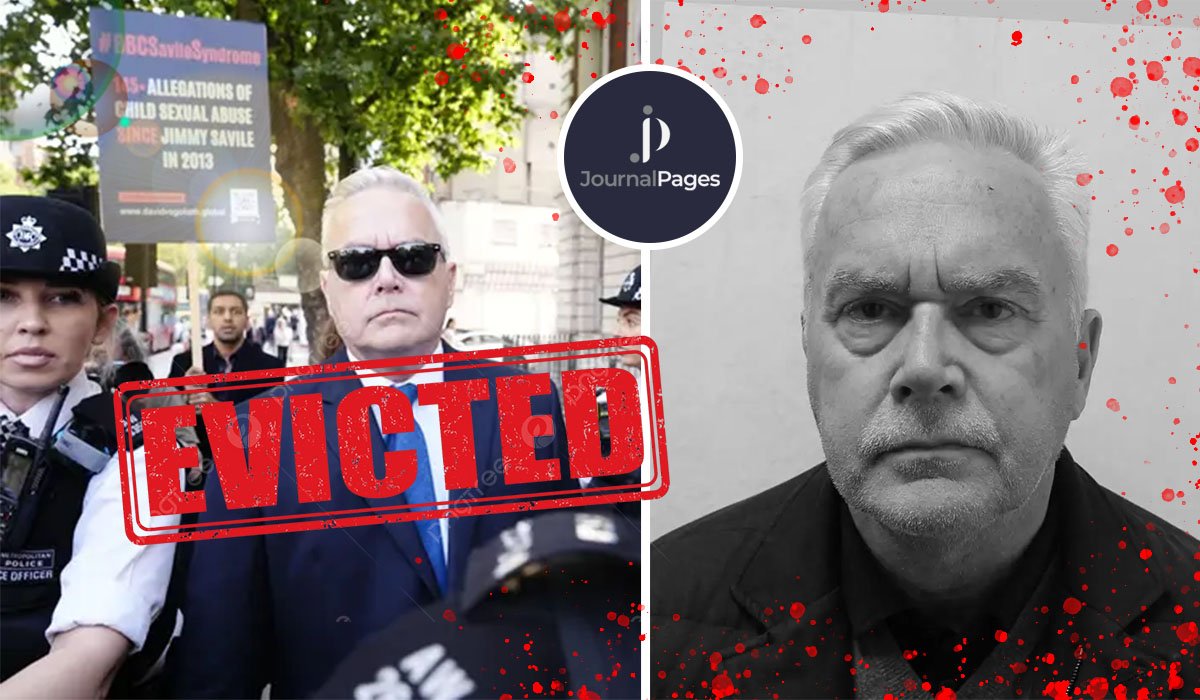
Huw Edwards — From Trusted BBC Anchor to Public Scandal
For decades, Huw Edwards was one of the most recognizable and trusted faces in British journalism. As a lead anchor for the BBC’s flagship nighttime news, he narrated defining moments in modern UK history—from general elections to the funeral of Queen Elizabeth II. That reputation collapsed when Edwards, once synonymous with credibility, pleaded guilty to making indecent images of children and received a suspended prison sentence. This article provides a comprehensive, SEO-focused examination of the Huw Edwards case: his rise at the BBC, the criminal proceedings, the broadcaster’s response, and the broader implications for public trust, media governance, and safeguarding.
Who Is Huw Edwards?
Early Life and Education
Huw Edwards was born in Wales and built his career through decades of reporting and presenting for the BBC. Known for a measured delivery and calm authority, he became a fixture of British broadcast news.
Career at the BBC
Edwards joined the BBC more than 40 years ago, rising through the ranks to become lead anchor on the nightly news. He fronted major national events and was considered one of the BBC’s top earners. His on-screen presence and longevity fostered a deep sense of trust with audiences.
Public Reputation and Influence
Before the scandal, Huw Edwards represented institutional reliability. Viewers associated him with impartial reporting and national moments, a status that magnified the shock when allegations emerged.
The Criminal Case Against Huw Edwards
Charges and Guilty Plea
In July, Huw Edwards pleaded guilty at Westminster Magistrates’ Court to three counts of making indecent images of children. The charges related to images sent to his phone via WhatsApp by a man later convicted of distributing child sexual abuse material.
H3: Sentencing Outcome
The court imposed a six-month prison sentence suspended for two years. Edwards was also placed on the sex offenders register for seven years. The presiding magistrate stated that Edwards’ long-earned reputation was “in tatters,” underscoring the severity of the breach of trust.
Nature of the Evidence
More than 375 sexual images were sent to Edwards over a period spanning late 2020 to mid-2021. Over 40 of these were indecent images of children, including multiple Category A images—the most serious classification—depicting minors of varying ages.
Timeline of Key Events
- December 2020 – August 2021: Images exchanged via WhatsApp
- November 2022: Edwards arrested while on leave
- July 2023: Suspended by the BBC amid separate allegations
- July 2024: Pleads guilty in court
- January 2026: Receives suspended sentence and registration requirements
This timeline highlights the prolonged nature of the case and the overlap with the BBC’s internal handling.
BBC’s Response and Institutional Fallout
Salary Controversy
One of the most contentious aspects of the Huw Edwards scandal was the BBC’s decision to continue paying his salary—reportedly around £200,000—for several months after his arrest. As a publicly funded broadcaster, this decision sparked public outrage and political scrutiny.
Official Statements
Following sentencing, the BBC stated it was “appalled” by Edwards’ crimes and emphasized that he had betrayed both the organization and its audiences. The broadcaster has sought repayment of salary paid during his suspension.
Governance and Accountability Questions
The case reignited debates about transparency, safeguarding, and accountability within large media institutions. Critics questioned whether internal policies adequately protect the public interest.
Separate Allegations and Mental Health Context
Earlier Claims
Prior to the criminal charges, Huw Edwards was suspended over allegations involving a teenager and explicit images. Police investigated those claims and chose not to bring charges.
Family Disclosure and Health Issues
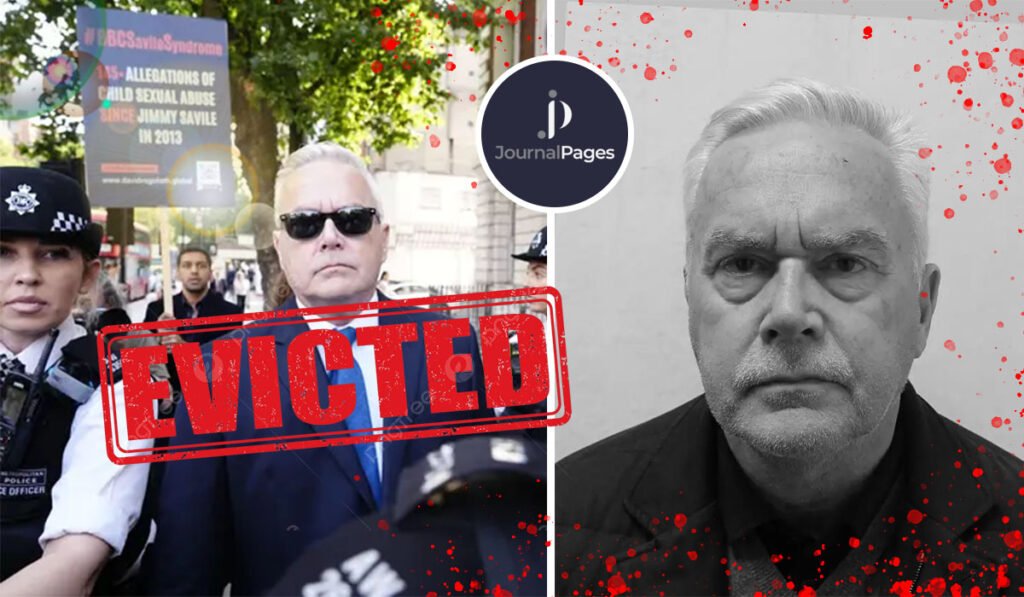
Although Edwards was not publicly named initially, his wife later identified him and disclosed that he was receiving treatment for serious mental health issues. This added complexity to public discussions, blending accountability with compassion.
Impact on Public Trust in Media
Trust as a Core Asset
Journalism relies on credibility. When a prominent figure like Huw Edwards falls from grace, the damage extends beyond the individual to the institutions they represent.
H3: Audience Reaction
Public reaction ranged from shock to anger. Many viewers felt betrayed, particularly given the BBC’s role as a publicly funded broadcaster with a mandate to uphold the highest ethical standards.
Lessons for News Organizations
The scandal underscores the need for robust safeguarding policies, transparent crisis management, and clear communication with audiences.
Legal and Ethical Implications
Understanding a Suspended Sentence
A suspended sentence means imprisonment is avoided unless further offenses occur within a set period. In the Huw Edwards case, this outcome balanced punishment with judicial discretion.
Registration Requirements
Placement on the sex offenders register imposes strict reporting obligations, limiting travel and requiring regular disclosure to authorities.
Ethical Responsibility of Public Figures
High-profile journalists occupy positions of trust. Ethical lapses carry amplified consequences due to their influence and visibility.
Media Coverage and Global Attention
The Huw Edwards story received extensive coverage from international outlets, reflecting global concern about child protection and accountability in media. The case also fueled discussions about how newsrooms handle allegations against senior staff.
Internal Linking Suggestions
- BBC editorial standards and safeguarding policies
- High-profile media scandals in the UK
- Understanding UK sentencing guidelines
External Authoritative References
- UK Crown Prosecution Service guidance on indecent images
- BBC corporate governance reports
- UK judiciary explanations of suspended sentences
Conclusion
The downfall of Huw Edwards marks one of the most significant scandals in modern British broadcasting. From a revered BBC anchor to a convicted offender, his case illustrates how quickly trust can be lost and how essential accountability is for public institutions. For the BBC, the episode serves as a stark reminder of its duty to audiences and taxpayers. For the wider media landscape, it reinforces the principle that no reputation—however established—places an individual above the law.
Frequently Asked Questions (FAQs)
Who is Huw Edwards?
Huw Edwards is a former BBC news anchor who served as a leading presenter for decades before pleading guilty to charges related to indecent images of children.
What sentence did Huw Edwards receive?
He received a six-month prison sentence suspended for two years and was placed on the sex offenders register for seven years.
Why did the BBC continue paying him?
The BBC stated contractual and employment considerations influenced its decision, though it later sought repayment amid public criticism.
What are the broader implications of the case?
The case raises questions about media accountability, safeguarding, and public trust in journalism