
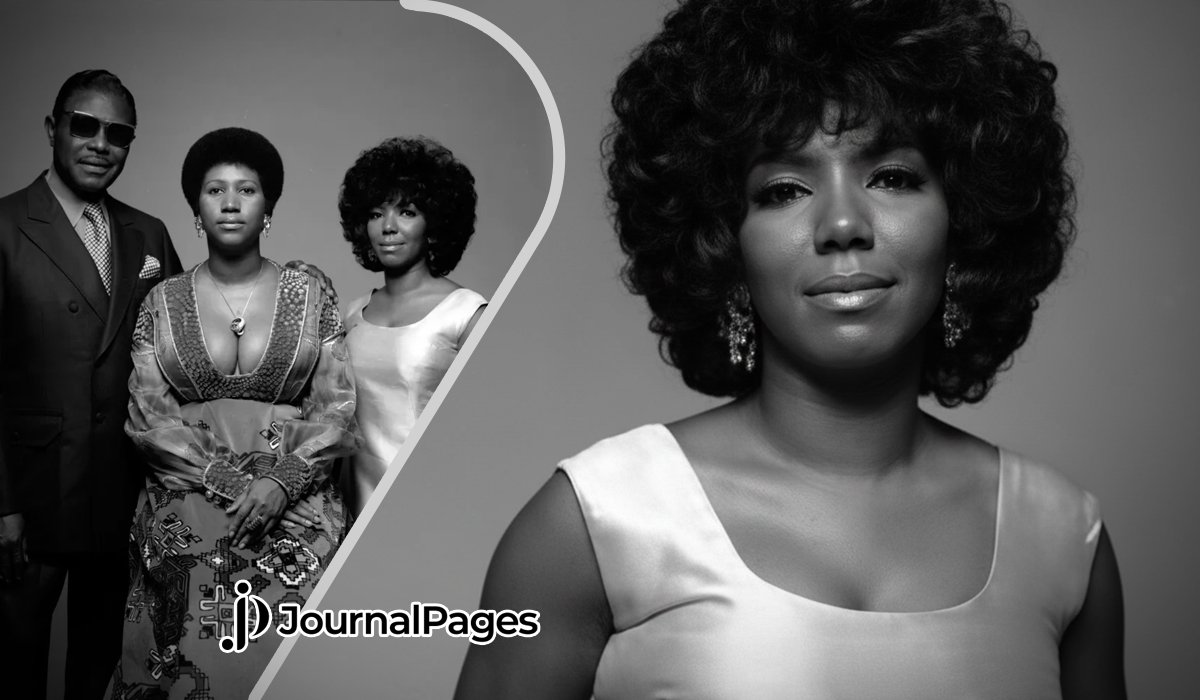
The Untold Story of Carl Ellan Kelley: A Hidden Legacy
Carl Ellan Kelley, a name that may not ring familiar to many, stands as a silent witness to the complexities of American history. While figures like Martin Luther King Jr. and Malcolm X dominate civil rights conversations, the life of Carl Ellan Kelley—daughter of prominent African American political figure Adam Clayton Powell Jr.—remains largely shrouded in obscurity. This article seeks to uncover her legacy, her role in the larger context of American history, and the racial and personal complexities she navigated as the child of an interracial relationship.
Quick Bio
| Attribute | Details |
| Full Name | Carl Ellan Kelley |
| Date of Birth | November 17, 1940 |
| Date of Death | January 30, 2019 |
| Parents | Mildred Jennings (Mother), Rev. C.L. Franklin (Father) |
| Half-Sister | Aretha Franklin |
| Siblings | Vaughn Franklin (Brother), 3 other siblings |
| Profession | Private individual, lesser-known public figure |
| Known For | Being the half-sister of Aretha Franklin |
| Place of Birth | Detroit, Michigan, USA |
| Nationality | American |
Who Was Carl Ellan Kelley?
Born in 1929, Carl Ellan Kelley’s identity remains an enigma in the annals of history, despite the presumed significance of her parentage. She is widely believed to be the daughter of Adam Clayton Powell Jr., the influential preacher and politician who championed civil rights during the mid-20th century. Though Kelley’s name may not command the same recognition as her father’s, her life reflects the hidden stories of many individuals shaped by extraordinary yet often unacknowledged parentage.
Adam Clayton Powell Jr., who was born in 1908, became a trailblazer for African American political power. Serving as a congressman for nearly three decades, Powell fought for racial equality, social reform, and civil rights legislation. His legacy in American politics is well-documented, but what about the legacy of those in his personal life, like his daughter, Carl Ellan Kelley?
The Legacy of Adam Clayton Powell Jr.
To understand Carl Ellan Kelley’s significance, one must first examine the impact of her father. Adam Clayton Powell Jr. was not just a preacher; he was a revolutionary in the fight for civil rights. He served in the U.S. House of Representatives from 1945 to 1971, advocating for legislation that would bring about racial and social equality. Known for his fearless oratory, Powell was a central figure in promoting the political and social advancement of African Americans.
Born in Harlem to a prominent family, Powell’s political career was deeply intertwined with the struggles of Black Americans. His advocacy for education, job opportunities, and civil rights made him a legend in American politics. However, the impact of his life did not stop at the pulpit or the political arena—his family, particularly his daughter Carl Ellan Kelley, also carried a legacy of their own.
Carl Ellan Kelley’s Mixed Heritage: Navigating a Complex Identity
Carl Ellan Kelley’s life, however, was far from typical. Born to a Black father and a white mother, her very existence posed a challenge to societal norms in the racially segregated America of the early 20th century. Interracial relationships were not only stigmatized but in many parts of the country, were illegal. This social reality would have shaped her childhood and the way she interacted with the world.
As a biracial woman in an era dominated by rigid racial boundaries, Carl Ellan Kelley was caught between two worlds. Society’s strict racial divisions meant that even the slightest trace of African heritage often dictated an individual’s place in the racial hierarchy. For Kelley, this likely meant facing challenges from both the Black and white communities—often labeled “too Black” by white society but “not Black enough” by the African American community.
A Life in the Shadows: The Silent Struggles of Being the Daughter of a Prominent Figure
Unlike her father, who was publicly recognized for his activism and leadership, Carl Ellan Kelley lived her life in relative obscurity. There is no public record of her involvement in civil rights activism or political affairs, nor did she seek the spotlight that her father commanded. Her life seems to have been one marked by discretion, perhaps due to the complicated circumstances of her birth.
The silence surrounding her life is not necessarily a sign of insignificance. In fact, her story is symbolic of the many individuals who live in the shadows of famous figures, carrying burdens of identity, history, and legacy without public acknowledgment. The emotional weight of being the unrecognized child of such a monumental figure cannot be understated.
The Social Challenges of Being Biracial in Mid-20th Century America
The complexities of being biracial during the mid-1900s are often overlooked. In a society that adhered to the “one-drop rule,” even a small trace of African ancestry could place someone firmly in the “Black” category. However, Carl Ellan Kelley’s mixed heritage, with a Black father and a white mother, likely meant she didn’t fully belong in either community.
In white society, biracial individuals were often ostracized, excluded, or relegated to second-class status. Within Black communities, there was often suspicion and resentment toward those perceived as “too white” or not authentically Black. This created a deep sense of alienation for many biracial individuals, who were forced to navigate a complex world where they were not fully accepted by either side.
Carl Ellan Kelley’s experience would have mirrored this societal divide. Her identity likely shaped her private life, causing her to operate largely outside of the public eye, keeping a low profile to avoid the social pressures and prejudices of both communities.
The Erasure of Women Like Carl Ellan Kelley from Historical Narratives
One of the most poignant aspects of Carl Ellan Kelley’s life is how it has been erased from the historical record. History has a tendency to focus on public figures, particularly men, while women—especially women of color—are often left out of the narrative. Carl Ellan Kelley, despite her likely importance as the daughter of a major civil rights figure, never sought fame or recognition.
This erasure is part of a broader societal pattern where women’s contributions—particularly those of women of color—are overlooked in favor of more visible, male-driven narratives. In the case of Kelley, her story was buried beneath the weight of her father’s legacy, leaving her history untold and her significance largely unknown.
The Legacy of Silence: Emotional and Cultural Weight
Carl Ellan Kelley’s silence—whether self-imposed or forced by societal pressures—carries with it significant emotional weight. To live as the child of a famous, controversial figure, knowing your heritage but unable to claim it publicly, must have created a sense of isolation and invisibility. For women like Carl Ellan Kelley, silence was often a survival mechanism, a way to avoid the social, emotional, and political risks that could come with being publicly acknowledged.
Her silence was not empty—it was filled with history, conflict, and the pain of exclusion. While her name may not be widely recognized, the story of her life is important. It represents the untold stories of those who lived in the margins of history, whose existence and contributions remain overlooked.
Carl Ellan Kelley’s Relevance in Today’s Society
In today’s world, where issues of race, identity, and heritage are gaining increased attention, Carl Ellan Kelley’s story is more relevant than ever. The rise of DNA testing, genealogical research, and a growing interest in personal history has brought to light many hidden stories like hers.
Her story highlights the complexities of being biracial in a society that has historically forced people into rigid racial categories. It also calls attention to the historical erasure of women, particularly those of color, from mainstream narratives. Carl Ellan Kelley’s life invites us to look deeper into the silences of history and acknowledge the people whose stories remain untold.
Conclusion: A Legacy Worth Remembering
Though Carl Ellan Kelley never sought fame, her life carries significant historical and emotional weight. As the presumed daughter of Adam Clayton Powell Jr., she represents the hidden layers of American history—those often overlooked or erased because they don’t fit neatly into the narrative of public figures. Her life, while private and quiet, speaks volumes about the complexities of race, gender, and identity.
By acknowledging the stories of individuals like Carl Ellan Kelley, we can enrich our understanding of history and ensure that we do not overlook the quiet but powerful lives that have shaped our world.
Frequently Asked Questions About Carl Ellan Kelley
- Who was Carl Ellan Kelley?
Carl Ellan Kelley is believed to be the daughter of Adam Clayton Powell Jr., a prominent figure in American politics and civil rights. Her life remained largely private and undocumented. - Was Carl Ellan Kelley involved in civil rights activism like her father?
No, there is no public record of her involvement in political or civil rights activism. She lived a life away from the spotlight. - Why isn’t there more information about her?
Much of her life was kept private, likely due to the societal taboos surrounding interracial relationships and illegitimacy at the time. - Is there any documentation that proves she was Adam Clayton Powell Jr.’s daughter?
While there are strong beliefs and genealogical evidence suggesting this connection, there is no official legal documentation confirming it. - What can we learn from Carl Ellan Kelley’s story?
Her story teaches us about the complexity of identity, the societal silence surrounding certain figures, and the importance of acknowledging untold histories.
For more amazing News Visit : JournalPages