
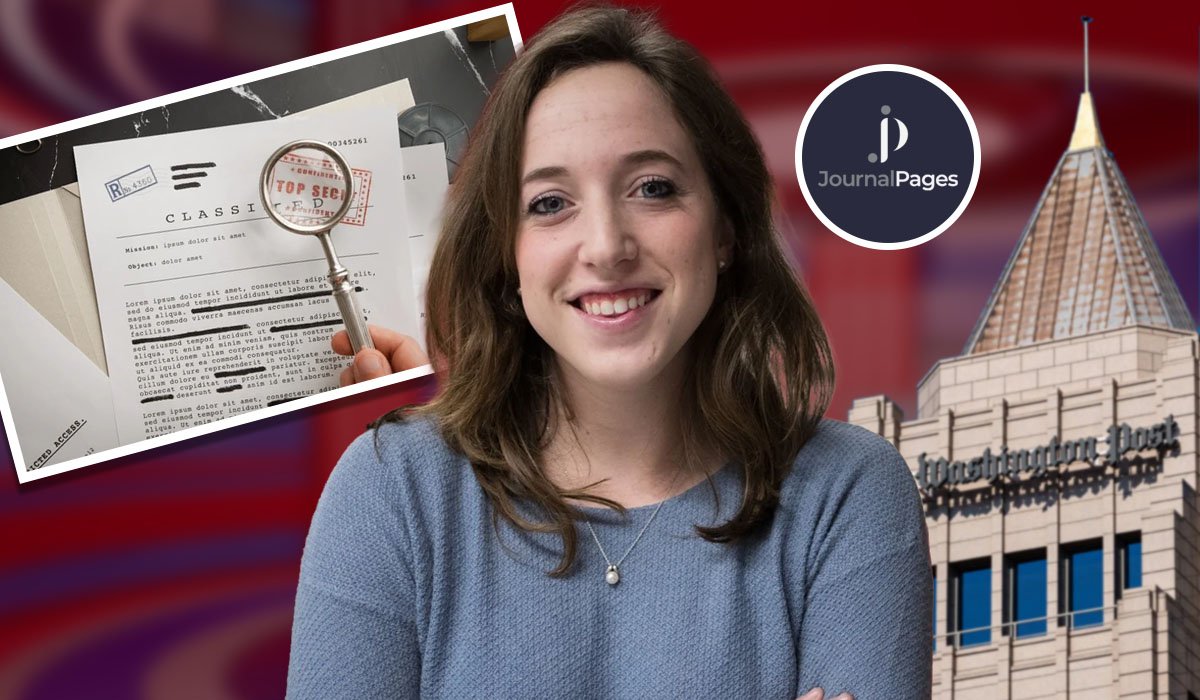
Hannah Natanson: Washington Post Journalist at the Center of FBI Raid
In recent years, few journalists have become as closely associated with federal workforce reporting as Hannah Natanson. Known for her deep sourcing, relentless coverage, and ability to surface insider perspectives, the Washington Post reporter found herself at the center of a national debate after the FBI searched her home as part of a classified documents investigation.
The incident has ignited widespread concern about press freedom, government transparency, whistleblower protections, and First Amendment rights, placing Hannah Natanson’s name at the heart of a historic moment for American journalism.
This article provides a comprehensive, well-researched examination of Hannah Natanson, her career, the FBI search, the legal and constitutional questions involved, and why the case matters far beyond one journalist.
Who Is Hannah Natanson?
Background and Professional Profile
Hannah Natanson, a Washington Post journalist known for her in-depth reporting on the U.S. federal workforce, became the focus of national attention after the FBI searched her home as part of a classified documents investigation.
The incident involving Hannah Natanson has sparked intense debate around press freedom, First Amendment protections, and the limits of government authority over journalists.
Her reporting focuses on:
- Federal employment policy
- Government restructuring
- Whistleblower disclosures
- Workforce morale and institutional impact
Natanson’s work has been widely cited, shared, and debated, particularly during periods of administrative upheaval.
Hannah Natanson’s Role at The Washington Post
Coverage of Federal Workforce Changes
During the Trump administration, Hannah Natanson became a central figure in documenting sweeping changes to federal employment, including:
- Workforce reductions
- Policy restructuring
- Agency morale crises
- Employee whistleblower concerns
Her reporting relied heavily on first-hand accounts from government employees, many of whom reached out confidentially.
Signal Tips and Whistleblower Communications
In early 2025, Natanson publicly shared her contact information on online forums used by federal employees. The response was unprecedented:
- Over 1,100 individuals contacted her via Signal
- Tips ranged from policy concerns to deeply personal accounts
- Many stories published by the Post stemmed from these disclosures
This level of engagement highlighted both the trust placed in Natanson and the intensity of internal concern within federal agencies.
The FBI Search of Hannah Natanson’s Home
What Happened?
In a highly unusual move, FBI agents searched Hannah Natanson’s Virginia home, seizing:
- Her mobile phone
- Two laptops
- A Garmin smartwatch
According to The Washington Post’s executive editor, the search was conducted under a warrant connected to a classified documents investigation involving a government contractor.
Importantly:
- Natanson was not named as a target
- The Washington Post was not under investigation
- The search was requested by the Department of Defense
Why the Raid Is So Unusual
Historical Rarity of Journalist Home Searches
Legal experts and press freedom advocates have emphasized that raids on journalists’ homes are extremely rare in modern U.S. history.
Jameel Jaffer, executive director of the Knight First Amendment Institute, noted that he could not recall a comparable case in recent decades, warning of a chilling effect on investigative journalism.
Attorney General Pam Bondi’s Statement
Attorney General Pam Bondi confirmed the search, stating that:
- Natanson allegedly obtained and reported classified information
- The materials were linked to unauthorized disclosures
- The investigation focused on a Pentagon contractor
Her statement reignited debate over whether journalists can be criminally implicated for possessing classified information, even when obtained through reporting.
The Legal Context: Classified Information and Journalism
The Espionage Act of 1917
A central legal issue in the Hannah Natanson case is the Espionage Act, a law passed in 1917 that technically makes it illegal to possess classified information.
However:
- The law has rarely been enforced against journalists
- The Supreme Court has historically favored press protections
- The Pentagon Papers case (1971) set a major precedent
The conflict between national security laws and First Amendment protections remains unresolved.
First Amendment and Press Freedom Concerns
Why Journalists Are Alarmed
Press freedom advocates argue that the search:
- Sets a dangerous precedent
- Risks intimidating reporters and sources
- Undermines constitutional protections
Organizations like PEN America and the Knight First Amendment Institute have described the action as part of a broader assault on independent journalism.
Impact on Whistleblowers
One of the most significant consequences may be the effect on government whistleblowers:
- Sources may fear exposure
- Confidential communication channels may be abandoned
- Fewer insiders may come forward
This directly impacts the public’s right to know about government actions.
Hannah Natanson’s First-Person Account
In a deeply personal article published by The Washington Post, Natanson described:
- The emotional toll of her reporting
- The volume and intensity of tips
- Messages from individuals in distress
One message, in particular, underscored the human cost of government policy changes, highlighting why such reporting matters.
Political Reactions and Divided Opinions
Supporters of the Search
Some political figures argue that:
- Leaks threaten national security
- Journalists should not handle classified material
- Law enforcement must investigate aggressively
Former press secretary Sean Spicer stated that if wrongdoing occurred, the chilling effect would be justified.
Critics of the Search
Others counter that:
- Journalism depends on confidential sources
- The raid risks weaponizing national security laws
- Press independence is being eroded
Media Landscape Under the Trump Administration
The Hannah Natanson incident did not occur in isolation.
Broader Media Tensions
- Lawsuits against major news organizations
- Restricted Pentagon access for reporters
- Funding cuts to public broadcasting
- Revised DOJ leak investigation guidelines
These actions suggest a systemic shift in how the press is treated.
Department of Justice Policy Changes
In April, new DOJ guidelines reinstated the authority to:
- Use subpoenas against journalists
- Issue search warrants in leak cases
- Seize communications data
This reversed protections introduced during the Biden administration and directly shaped the Natanson search.
The Contractor at the Center of the Investigation
The warrant references Aurelio Perez-Lugones, a government contractor accused of:
- Printing classified documents
- Removing sensitive materials from work premises
- Retaining documents at home
Authorities allege that some materials Natanson reported on originated from this source.
Why Hannah Natanson’s Case Matters
For Journalism
- Redefines risk for investigative reporters
- Alters how sources communicate
- May limit future disclosures
For Democracy
- Transparency depends on press freedom
- Accountability requires fearless reporting
- Public trust erodes when journalists are targeted
Conclusion: Hannah Natanson and the Future of Press Freedom
The FBI search of Hannah Natanson’s home represents more than a legal investigation—it is a defining moment for American journalism. While the government has a legitimate interest in protecting classified information, the targeting of journalistic tools and spaces raises profound constitutional concerns.
Natanson’s work exemplifies the role of a free press: amplifying unheard voices, exposing institutional consequences, and holding power to account. How this case unfolds may determine not only her future, but the boundaries of investigative reporting in the United States.
FAQs About Hannah Natanson
Who is Hannah Natanson?
Hannah Natanson is a Washington Post journalist specializing in federal workforce and government policy reporting.
Why did the FBI search Hannah Natanson’s home?
The search was linked to a classified documents investigation involving a government contractor, not because Natanson was a direct target.
Was Hannah Natanson charged with a crime?
No. Authorities stated she and The Washington Post are not targets of the investigation.
Why is this case important for press freedom?
It raises concerns about journalist protections, whistleblower safety, and First Amendment rights.
For more Visit Journal Pages : https://journalpages.co.uk