
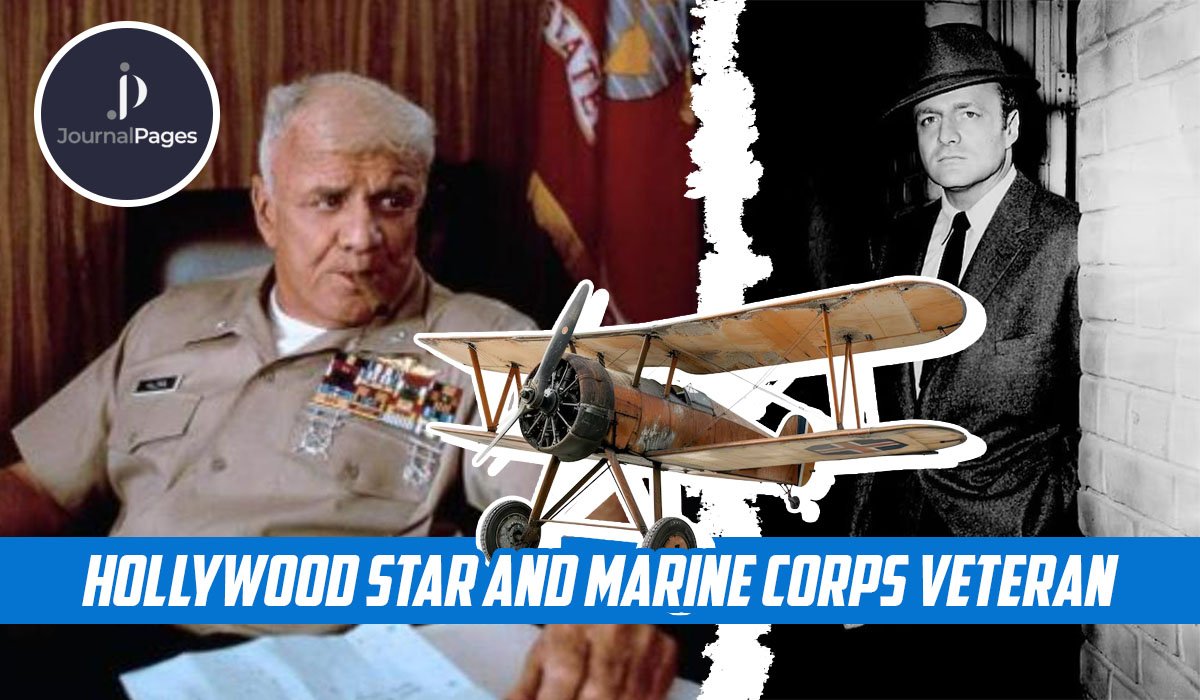
Brian Keith: Hollywood Star and Marine Corps Veteran
Brian Keith remains one of the most recognizable and respected figures in American entertainment history. Known for his commanding screen presence, warm authority, and unmistakable voice, Brian Keith built a career that spanned decades across film and television. Yet behind the roles that made him famous—from Family Affair to The Parent Trap—was a real-life story even more compelling. Before Hollywood, Brian Keith was a United States Marine who flew combat missions in the South Pacific during World War II.
This article explores the full legacy of Brian Keith: his early life, military service, acting career, personal values, and lasting cultural impact. It is a complete, in-depth look designed to honor both the entertainer and the Marine.
Early Life and Influences
Childhood During the Great Depression
Brian Keith was born Robert Alba Keith on November 14, 1921, in Bayonne, New Jersey, and raised in Long Island, New York. Growing up during the Great Depression shaped his resilience, work ethic, and worldview. His father, Robert Keith, was a stage and film actor, which exposed Brian to performance at an early age.
Early Fascination With the Marine Corps
As a boy, Brian Keith sold magazines and avidly read war stories, particularly those highlighting the U.S. Marine Corps. Tales of Belleau Wood, China, and legendary Marine exploits left a deep impression on him. Books such as Fix Bayonets! fueled a lifelong admiration for Marines and their culture of discipline, courage, and honor.
Unlike many of his peers, Keith did not need persuasion from recruiters. His decision to serve was personal, deliberate, and rooted in genuine respect for the Corps.
Enlistment and World War II Service
Joining the Marine Corps Before Pearl Harbor
In the summer of 1941, Brian Keith enlisted in the Marine Corps Reserve—months before the attack on Pearl Harbor. At the time, he worked at the Grumman Aircraft factory, contributing to the war effort even before entering active combat.
Following Pearl Harbor, Keith was rapidly sent to boot camp at Marine Corps Recruit Depot Parris Island, South Carolina. His training marked the beginning of a transformation that would define him for the rest of his life.
Training and Marksmanship Excellence
Keith excelled in weapons training, qualifying as an expert marksman with both rifle and pistol. His skill earned him a posting as a marksmanship instructor at Officers Candidate School in Quantico, Virginia. There, he trained future Marine officers under seasoned combat veterans, including instructors wounded in earlier conflicts.
This period sharpened Keith’s discipline and leadership while reinforcing the seriousness of military service.
Combat Missions in the South Pacific
Assignment to VMSB-244
As the war intensified, Brian Keith was deployed to the Pacific theater. He was assigned to Marine Scout Bombing Squadron VMSB-244, flying aboard the Douglas SBD Dauntless dive bomber. Keith served as an aerial gunner, a role requiring intense focus, courage, and physical endurance.
Flying Through the Valley of Death
Keith flew bombing missions targeting Japanese strongholds, including Rabaul, one of the most heavily defended enemy bases in the Pacific. These missions took crews through what became known as the “Valley of Death,” where anti-aircraft fire and enemy fighters posed constant threats.
Dive-bombing runs were especially dangerous. Aircraft descended at near-vertical angles under heavy fire, pulling out just feet above the ground. Keith manned twin .30-caliber machine guns, defending the aircraft from attacking Japanese Zero fighters.
Close Calls and Survival
Brian Keith’s aircraft sustained significant damage on multiple missions, including holes torn through wings and equipment shot away mid-flight. He witnessed the loss of fellow Marines and narrowly escaped death on several occasions.
Despite the danger, Keith continued flying missions for nearly two years, contributing directly to the Allied strategy of neutralizing Rabaul without a costly ground invasion.
Awards and Military Recognition
The Air Medal
For his combat service, Brian Keith received the Air Medal, one of the U.S. military’s highest awards for aerial achievement. His medal was signed by Secretary of the Navy James Forrestal and Vice Admiral William “Bull” Halsey, reflecting the significance of his contributions.
Though he rarely spoke publicly about his decorations, Keith always expressed pride in having served alongside fellow Marines.
Transition From War to Hollywood
Returning to Civilian Life
After World War II ended, Brian Keith returned to the United States and eventually left the Marine Corps. His transition to civilian life was not without challenges, but acting offered a familiar and meaningful path forward.
Early Acting Roles
Keith began appearing in films in the early 1950s, often cast in rugged, authoritative roles that reflected his military bearing. His authenticity on screen set him apart from many contemporaries.
Rise to Hollywood Stardom
Film Career Highlights
Brian Keith starred in numerous successful films, including:
- The Parent Trap (1961)
- The Wind and the Lion (1975)
- Sharky’s Machine (1981)
- Young Guns (1988)
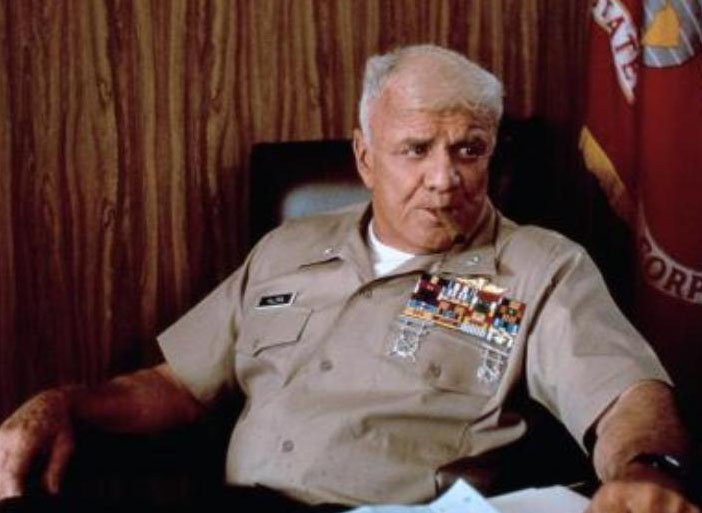
His portrayal of Teddy Roosevelt in The Wind and the Lion remains one of his most celebrated performances, praised for its energy, intelligence, and gravitas.
Television Success
Keith achieved immense popularity on television, especially through:
- Family Affair
- Hardcastle and McCormick
- The Westerner
- Major Dad
His roles often depicted strong but compassionate authority figures, resonating deeply with American audiences.
Brian Keith’s Acting Style and Legacy
Authenticity Rooted in Experience
Brian Keith’s performances carried a realism shaped by his wartime experiences. He understood leadership, fear, sacrifice, and responsibility—not as concepts, but as lived realities.
Respect Among Peers
Actors and colleagues frequently expressed admiration for Keith, both professionally and personally. His appearance on Major Dad was marked by public recognition from fellow actors who acknowledged his genuine Marine background.
Personal Life and Values
Keith was known for his private nature and strong principles. He valued discipline, loyalty, and service—traits instilled during his time in the Marine Corps. While he enjoyed success in Hollywood, he never allowed fame to overshadow his identity as a Marine veteran.
Death and Enduring Impact
Brian Keith passed away on June 24, 1997, in Malibu, California, at the age of 75. His death marked the loss of a rare figure who embodied both American cinematic excellence and military service.
Today, Brian Keith is remembered not only for his iconic roles but also for his quiet heroism during World War II. His life stands as a powerful reminder that some of Hollywood’s greatest legends earned their strength far from the spotlight.
Conclusion: The Dual Legacy of Brian Keith
Brian Keith lived two remarkable lives—one as a Hollywood star and another as a United States Marine in wartime. His story represents courage, integrity, and authenticity in both service and art. For audiences and historians alike, Brian Keith remains a symbol of American character at its finest.
Frequently Asked Questions (FAQs)
Was Brian Keith really a Marine?
Yes. Brian Keith served in the U.S. Marine Corps during World War II as an aerial gunner in the South Pacific.
What was Brian Keith best known for?
He was best known for Family Affair, The Parent Trap, and his role as Teddy Roosevelt in The Wind and the Lion.
Did Brian Keith receive military awards?
Yes. He was awarded the Air Medal for his combat missions during World War II.
How did military service influence Brian Keith’s acting?
His Marine Corps experience gave his performances authenticity, authority, and emotional depth that audiences found compelling.
Internal Linking Suggestions
- WWII Hollywood veterans
- U.S. Marine Corps history articles
- Classic American television actors
External Authoritative References
- U.S. Marine Corps historical archives
- American Film Institute (AFI)
- National WWII Museum
For more Visit Journal Pages : https://journalpages.co.uk/