
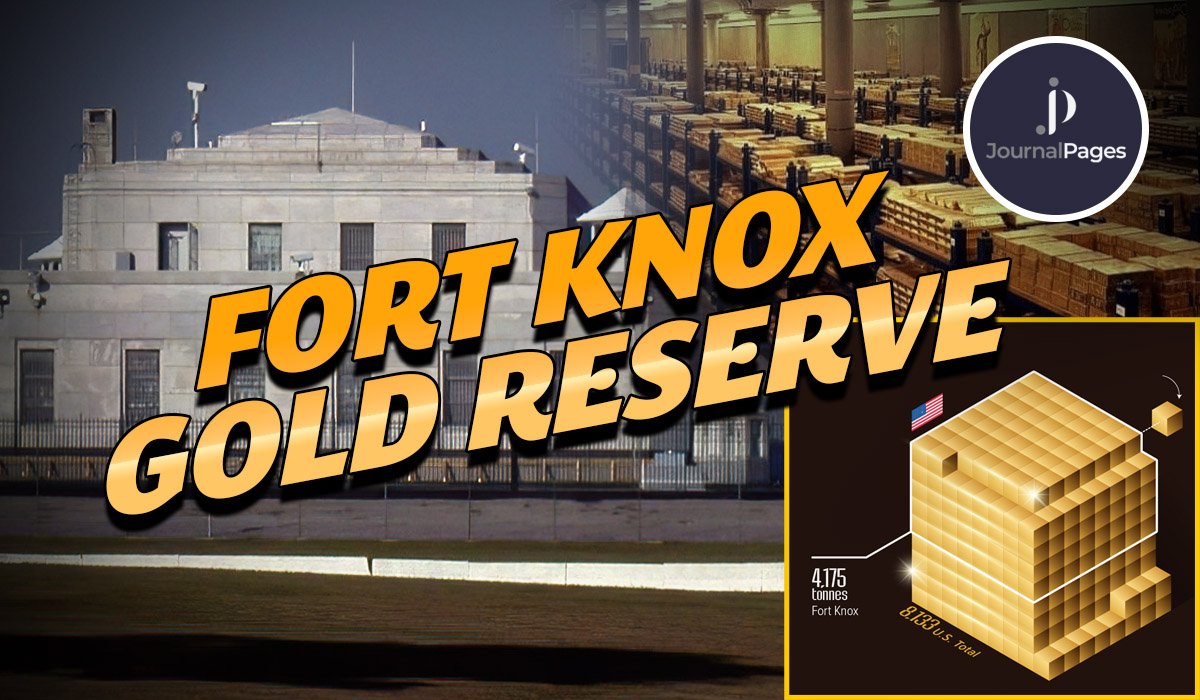
Fort Knox Gold Reserve: History, Security, Audits, and America’s Gold Vault Explained
The Fort Knox gold reserve is more than just a vault filled with precious metal—it is a powerful symbol of financial stability, national security, and public trust in the United States monetary system. For decades, Fort Knox has captured public imagination, fueled by mystery, pop culture, and periodic political debates questioning whether the gold is truly still there.
Recently, renewed national attention—sparked by public remarks from high-profile political and business figures—has once again placed the Fort Knox gold reserve under the spotlight. These discussions have reignited public curiosity about how much gold is stored there, how secure it really is, and whether the reserves are regularly audited.
This in-depth guide explains what the Fort Knox gold reserve is, where it came from, how it is protected, and why it remains critical today—all in one comprehensive, SEO-optimized resource.
What Is the Fort Knox Gold Reserve?
The Fort Knox gold reserve refers to the vast quantity of U.S. government-owned gold bullion stored inside the United States Bullion Depository, located within the Fort Knox military installation in Kentucky.
The facility has safeguarded American gold since 1937 and is operated by the U.S. Department of the Treasury, with physical protection provided by the U.S. Army. It is one of the most secure storage facilities in the world and holds a substantial portion of the nation’s gold assets.
While Fort Knox is best known for gold, it is also an active military base serving strategic and administrative roles for the U.S. Army.
Where Is Fort Knox Located?
Fort Knox is located in north-central Kentucky, approximately 35 miles south of Louisville. The military installation spans more than 109,000 acres across three counties:
-
Hardin County
-
Bullitt County
-
Meade County
Its central location within the United States was one of the primary reasons it was selected as the site for the gold depository, minimizing vulnerability to coastal threats.
A Brief History of the Fort Knox Gold Reserve
Origins During World War I
Originally established as Camp Knox in 1918, the site served as an artillery training center during World War I. Its strategic importance and expansive land made it ideal for long-term military use.
The Decision to Store Gold at Fort Knox
By the mid-1930s, the U.S. government sought a highly secure inland location to store gold reserves. Rising global tensions and economic uncertainty following the Great Depression accelerated the need for a fortified bullion depository.
Construction of the United States Bullion Depository began in 1935 and was completed in 1936.
Arrival of the First Gold Shipment (1937)
The first shipment of gold arrived at Fort Knox in 1937, guarded by the 1st Cavalry Regiment. The transfer marked the beginning of Fort Knox’s legacy as America’s most famous gold vault.
How Much Gold Is Stored at Fort Knox?
According to official U.S. Treasury data, the Fort Knox gold reserve holds approximately 147.3 million troy ounces of gold.
Key Gold Reserve Statistics
-
Total gold stored: ~147.3 million ounces
-
Percentage of U.S. Treasury gold: About 50%
-
Book value: $42.22 per ounce
-
Market value: Significantly higher based on global gold prices
The book value reflects historical accounting standards, not current market pricing, which often causes confusion among the public.
Has Gold Ever Been Removed From Fort Knox?
One of the most common questions surrounding the Fort Knox gold reserve is whether gold has ever been removed.
The Official Answer
-
Only very small samples have been taken during scheduled audits to test purity.
-
No significant quantities of gold have been transferred in or out for decades.
-
The vast majority of gold has remained untouched since its original storage.
These facts are confirmed by the U.S. Mint and Treasury Department.
How Secure Is the Fort Knox Gold Reserve?
Physical Security Measures
The Fort Knox Bullion Depository is widely regarded as one of the most secure structures ever built. While exact security protocols are classified, publicly known features include:
-
Massive granite exterior
-
Reinforced concrete walls
-
Structural steel weighing hundreds of tons
-
Blast-resistant vault doors
Operational Security
-
No single individual knows all vault access procedures
-
Multiple layers of authorization required
-
Continuous armed military presence
-
Advanced surveillance and detection systems
The combination of physical, procedural, and human safeguards makes unauthorized access virtually impossible.
Who Guards the Fort Knox Gold Reserve?
The gold is protected by the United States Army, making Fort Knox unique among global gold storage facilities. Unlike civilian vaults, it benefits from full military defense capabilities.
Additionally, Fort Knox hosts:
-
The Army’s Human Resources Command
-
The Army’s largest annual training event
-
ROTC Cadet Summer Training programs
This constant activity further strengthens overall security.
Audits and Transparency: Is the Gold Really There?
Annual Audits
The U.S. Treasury conducts audits every year, verifying:
-
Physical presence of gold
-
Weight and purity
-
Seal integrity
-
Vault security compliance
Treasury officials have repeatedly stated that all gold is present and fully accounted for.
Public Inspections
While public access is extremely rare, there have been notable exceptions:
-
1974: Journalists and members of Congress inspected the vaults
-
2017: Treasury officials and elected representatives visited again
These inspections were conducted to address persistent rumors and reinforce public confidence.
Why the Fort Knox Gold Reserve Is Rarely Opened
The gold depository has allowed non-authorized access only three times in history. This strict policy minimizes security risks and ensures operational integrity.
Outside of authorized personnel, only a handful of U.S. officials have ever physically entered the vaults.
Fort Knox Gold Reserve and U.S. Monetary Policy
Although the United States no longer operates on a gold standard, the Fort Knox gold reserve still plays a strategic role:
-
Acts as a financial confidence anchor
-
Strengthens U.S. credibility in global markets
-
Provides long-term economic insurance
-
Serves as a hedge against extreme financial crises
Gold remains a key reserve asset for central banks worldwide, including the U.S.
Fort Knox in Popular Culture
The mystique of Fort Knox has made it a fixture in popular media for decades.
Famous Appearances
-
Goldfinger (1964) – James Bond film
-
Stripes (1981) – Comedy partially filmed at Fort Knox
-
Looney Tunes cartoons featuring Fort Knox gold
The phrase “as secure as Fort Knox” has become part of everyday language, symbolizing absolute security.
Why Fort Knox Still Sparks Debate Today
Modern debates surrounding the Fort Knox gold reserve often stem from:
-
Lack of public access
-
Misunderstanding of gold accounting values
-
Political rhetoric
-
Distrust in financial institutions
However, official audits, historical inspections, and consistent Treasury statements continue to support the authenticity and presence of the gold.
Frequently Asked Questions (FAQs)
Is the Fort Knox gold reserve real?
Yes. Multiple audits and official inspections confirm that the gold is present and accounted for.
How much gold is in Fort Knox today?
Approximately 147.3 million ounces, representing about half of U.S. Treasury gold holdings.
Can the public visit Fort Knox?
No. Public tours are not allowed due to security concerns.
Why is the gold valued at $42.22 per ounce?
That is the statutory book value, not the market price.
Does the U.S. still need gold reserves?
Yes. Gold remains a strategic asset for financial stability and international credibility.
Conclusion: The Enduring Importance of the Fort Knox Gold Reserve
The Fort Knox gold reserve remains one of the most powerful symbols of American financial strength and security. While secrecy and rarity of access have fueled speculation, decades of audits, official confirmations, and historical inspections reinforce one clear conclusion: the gold is real, protected, and accounted for.
In an era of digital assets and evolving monetary systems, Fort Knox stands as a reminder that physical gold still matters—both economically and symbolically.
For more Visit Journal Pages : https://journalpages.co.uk