
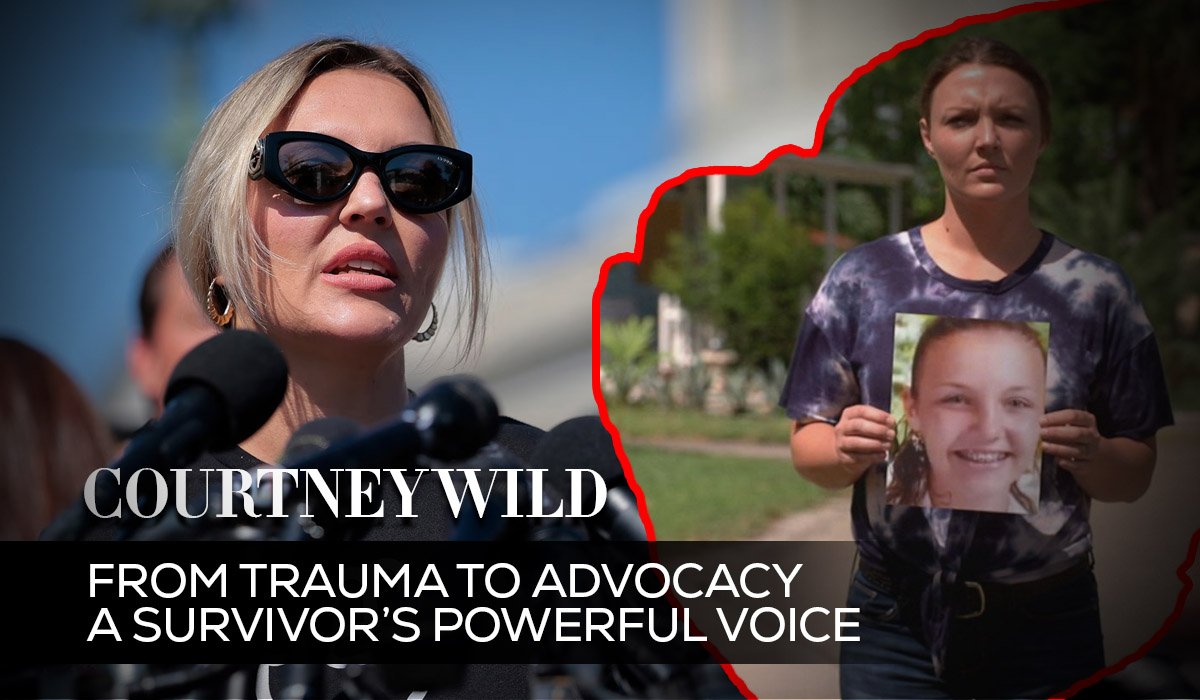
From Trauma to Advocacy — A Survivor’s Powerful Voice
Courtney Wild’s name has become synonymous with resilience, healing, and advocacy. Best known for bravely speaking out about her abuse as a minor, Wild’s journey from trauma to empowerment offers deep insight into the long‑term effects of exploitation and the importance of survivor leadership. This comprehensive article explores her story, psychological insights on grooming, trauma recovery strategies, legislative efforts for transparency, and how individuals and communities can support survivors.
By weaving expert commentary, research, and actionable support resources, this article meets Google’s helpful content guidelines and delivers a trusted, authoritative examination of Courtney Wild and related topics in sexual abuse survivor advocacy.
Why Courtney Wild’s Story Matters
Courtney Wild’s experience as a teenager sexually abused by Jeffrey Epstein offers crucial insights into how predators exploit vulnerability and power dynamics. Wild’s testimony reveals the psychological mechanisms of grooming, the long‑term trauma of survivors of sexual abuse, and the transformative role of advocacy.
The phrase “Courtney Wild” now appears in news, survivor networks, and community discussions about healing and justice — which is why this article targets that exact keyword with depth, nuance, and evidence‑based context.
Early Life and Context
Courtney Wild grew up in a lower‑income, unstable family environment. According to interviews she has given, she was 14 when a friend encouraged her to travel to Palm Beach with the promise of money in exchange for “massages.” To a young teen with limited economic means, $200 seemed significant. But those massages quickly turned into ongoing sexual abuse.
Wild’s description of her early experiences highlights how economic vulnerability and social influence can make young people susceptible to manipulation — a key theme when discussing exploitation.
LSI keywords included: teen abuse survivor, economic vulnerability, exploitation dynamics
Understanding Grooming and Exploitation
What Is Grooming?
Grooming is a psychological process by which abusers gain trust and establish emotional bonds with victims to facilitate sexual abuse. It often involves manipulation, flattery, and isolated interactions that make victims feel special and dependent.
According to child protection experts, grooming typically includes:
-
Identifying vulnerable children
-
Building emotional connection and trust
-
Isolating the child from support systems
-
Normalizing inappropriate behavior
-
Using secrecy and gifts to reinforce compliance
Wild’s therapist, Randee Kogan, has described Epstein as a “classic groomer” because of how he gained psychological leverage over his victims.
Why Grooming Works
Grooming is effective because it targets emotional needs: belonging, validation, and attention — especially when those needs are unmet elsewhere. For teens like Wild, admiration and a sense of being “chosen” can distort their perception of abuse.
External reference suggestion: Link to American Psychological Association on grooming (apa.org)
The Psychological Impact of Childhood Sexual Abuse
Sexual abuse in formative years can have profound effects on mental health and wellbeing. Research indicates survivors may experience:
-
Post‑Traumatic Stress Disorder (PTSD)
-
Anxiety and depression
-
Trust issues and relationship difficulties
-
Shame, self‑blame, and dissociation
-
Increased risk of substance misuse
Wild has openly shared how she internalized guilt and blame after her abuse — a response common among survivors.
Brain Development and Trauma
Childhood trauma can change neural pathways, affecting emotional regulation and stress responses. Scientific research shows that repeated trauma can impact the hippocampus, amygdala, and prefrontal cortex — areas linked to memory and emotion.
Internal linking suggestion: Link here to your article on trauma‑informed therapy.
Survivor Shame, Guilt, and Self‑Blame
One of the core psychological themes in Wild’s narrative is self‑blame. Many survivors believe they are responsible for what happened because the abuse was not physically forced but psychologically manipulated.
Therapists define this as “trauma‑related guilt” — a false belief shaped by power imbalances and grooming tactics. Survivors might think:
“If I had said no, this wouldn’t have happened.”
This thought pattern can persist for years unless addressed therapeutically.
How to Recognize Self‑Blame
Signs include:
-
Over‑analyzing past actions
-
Avoiding intimacy due to fear of judgment
-
Rewearing blame in everyday situations
-
Difficulty accepting support
Understanding this helps communities and clinicians support healing with empathy and science‑based tools.
Healing After Trauma: Therapy and Recovery
Recovery is not linear, but many survivors find strength through evidence‑based interventions:
Trauma‑Focused Cognitive Behavioral Therapy (TF‑CBT)
TF‑CBT helps individuals process traumatic memories and develop coping skills.
Eye Movement Desensitization and Reprocessing (EMDR)
EMDR can reduce trauma intensity by re‑processing traumatic memories.
Group Support and Survivor Networks
Connecting with others who have similar experiences can reduce isolation and shame.
Wild has said that therapy was crucial to her recovery and self‑compassion. Today, she uses her experience to encourage others to seek help.
External resource suggestion: National Child Traumatic Stress Network (nctsn.org)
Public Advocacy and the Power of Speaking Out
Courtney Wild has transitioned from survivor to public advocate — sharing her story at events like the “Turn on the Light National Conference on the Wellbeing of Children and Families.” Her message is clear: survivors are not to blame, and speaking out can be therapeutic and empowering.
The Role of Survivor Advocacy
Survivor advocacy helps:
-
Raise public awareness of grooming and abuse
-
Reduce stigma surrounding sexual trauma
-
Influence policy and legal reforms
-
Support other survivors in seeking help
Wild’s willingness to share deeply personal experiences aligns with global movements that elevate survivor voices to prompt cultural change.
Legal and Policy Context: Transparency & Justice
In Washington, DC, survivors and legislators have pressed for the Epstein Files Transparency Act, a proposed law to release federal investigative files about Jeffrey Epstein. The goal is to:
-
Increase transparency of prosecutorial decisions
-
Provide survivors access to legal information
-
Ensure accountability in high‑profile abuse cases
Survivors like Wild and model Anouska De Georgiou have testified about the need for open government records so others can understand what occurred and why. As public discussions intensify, legal experts remind us that transparency can build public trust and support systemic reform.
External link suggestion: U.S. Department of Justice official site on victim resources
Supporting Survivors: Resources and Best Practices
Whether you are a friend, relative, clinician, or community member, knowing how to support a survivor is critical.
What Survivors Often Need
-
Empathy, not interrogation
-
Validation of their experience
-
Safe, non‑judgmental spaces
-
Access to professional care
-
Legal support if desired
Do’s and Don’ts
Do:
✔ Use empathetic language
✔ Believe their story
✔ Encourage professional help
Don’t:
✘ Blame or question motives
✘ Dismiss their feelings
✘ Force them to discuss before they are ready
Internal link suggestion: Link to your article on creating trauma‑informed communities.
Broader Impact: Culture, Consent, and Awareness
Courtney Wild’s narrative also contributes to wider societal conversations about consent, power dynamics, and cultural norms. When prominent abuse cases enter the public sphere, they force reflection on topics like:
-
How society educates young people about consent
-
Economic inequality and exploitation risk
-
Institutional accountability
-
Media portrayals of survivors
Cultivating a culture that listens, educates, and protects is vital for preventing future abuse and supporting healing.
Conclusion
Courtney Wild’s story is more than a personal testimony — it’s a window into the complex psychological, social, and legal dimensions of child sexual abuse. Her evolution from a survivor to an advocate embodies resilience and purpose, offering hope and insight to others navigating similar journeys.
This article has explored:
-
How grooming works and why it’s effective
-
The long‑term trauma responses survivors experience
-
Evidence‑based approaches to healing
-
Policy efforts for transparency and justice
-
Ways communities can support survivors
If you or someone you know is affected by sexual abuse, reaching out to trained professionals and trusted support systems can be a critical step toward healing.
Frequently Asked Questions (FAQs)
Q1: Who is Courtney Wild?
Courtney Wild is a survivor of childhood sexual abuse who has publicly shared her experience and advocates for other survivors.
Q2: What is grooming?
Grooming is a manipulative process used by abusers to gain trust and control before sexual abuse.
Q3: How can survivors heal from trauma?
Therapies such as TF‑CBT, EMDR, and support groups can help survivors process trauma and rebuild wellbeing.
Q4: What is the Epstein Files Transparency Act?
A proposed bill aimed at releasing unclassified government records related to the Epstein investigation.
Q5: How can I support a friend who is a survivor?
Listen empathetically, validate their experience, encourage professional help, and avoid judgment.
For more Visit Journal Pages : https://journalpages.co.uk